Blog Detail

The Role of ERP in Improving Supply Chain Operations

The Role of ERP in Improving Supply Chain Operations
Supply chains have become more connected and demanding than ever. Businesses need to manage purchasing, inventory, production, warehousing, transportation, sales and customer deliveries while keeping costs under control. Even a small delay or incorrect stock update can affect several stages of the supply chain. This is where supply chain management software can make a practical difference by bringing important business processes together.
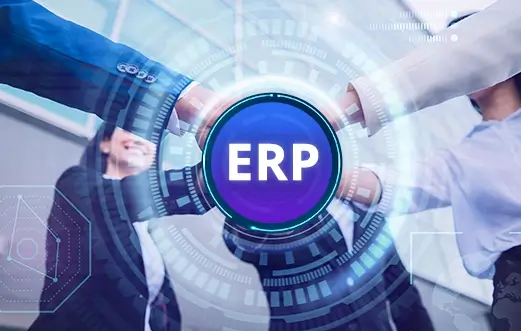
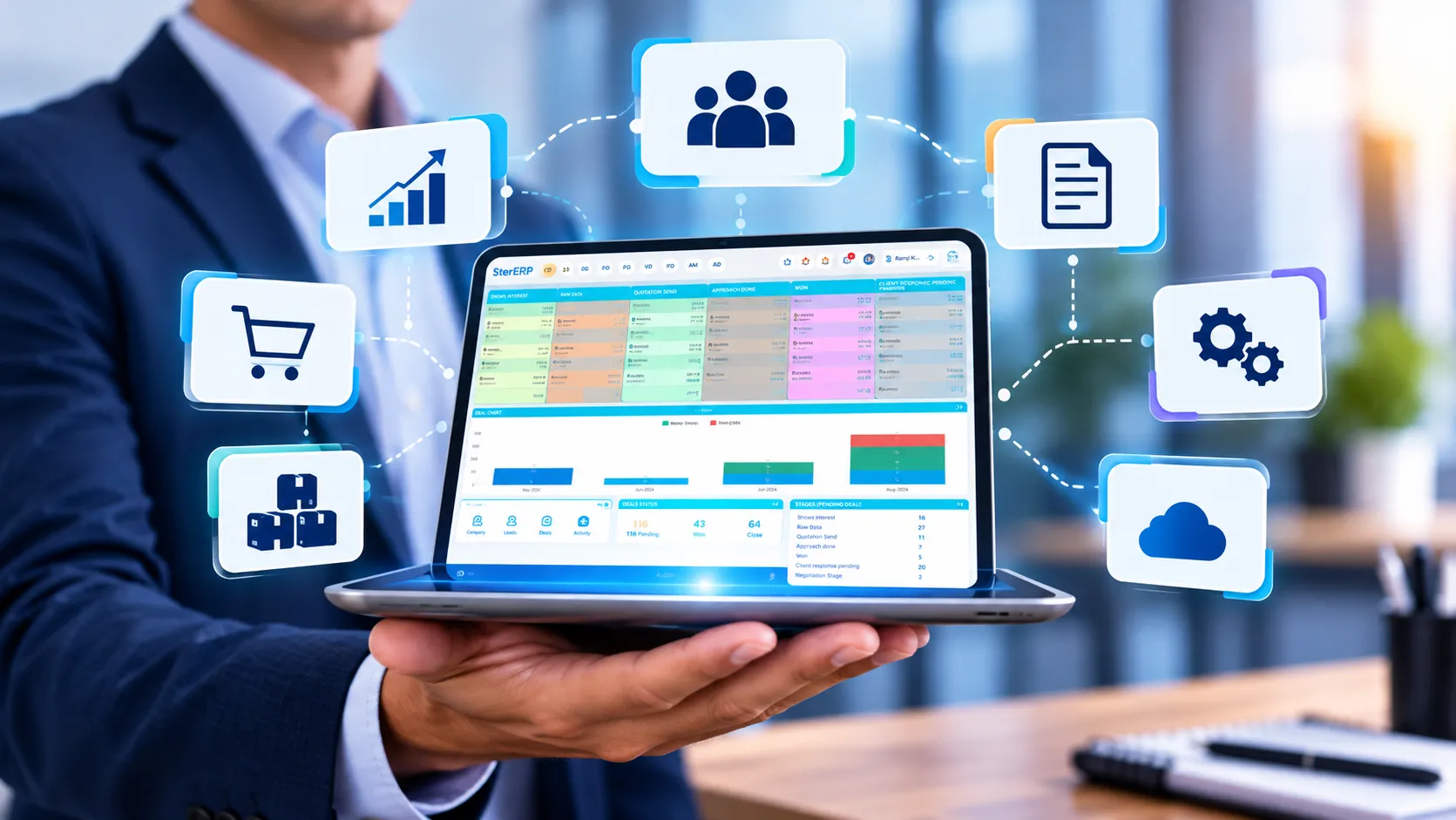
An ERP system provides a central platform where different departments can work with the same business data. Instead of depending on separate applications or manual records, companies can manage supply chain activities through an integrated system. This improves visibility and helps teams make decisions based on current information.
For manufacturing and distribution businesses in particular, ERP can connect demand, materials, production, inventory and deliveries into one coordinated process. Let us look at how ERP improves supply chain operations and why it has become an important part of modern business management.
Centralized Data Through Supply Chain Management in ERP
One of the biggest strengths of supply chain management in ERP is the ability to bring information from different departments into a single system. Purchasing teams can view material requirements, warehouse teams can check stock levels, production teams can review schedules and sales teams can track orders without maintaining separate records. This reduces the chances of inconsistent or outdated information.
A centralized ERP database also gives managers a clearer picture of what is happening across the business. For example, when a sales order is entered, the system can help determine whether the required stock is available or whether additional materials need to be purchased or produced. This connection between departments can reduce unnecessary communication and improve response time.
Businesses can gain better control over areas such as:
Better Inventory Control with Supply Chain Management Software
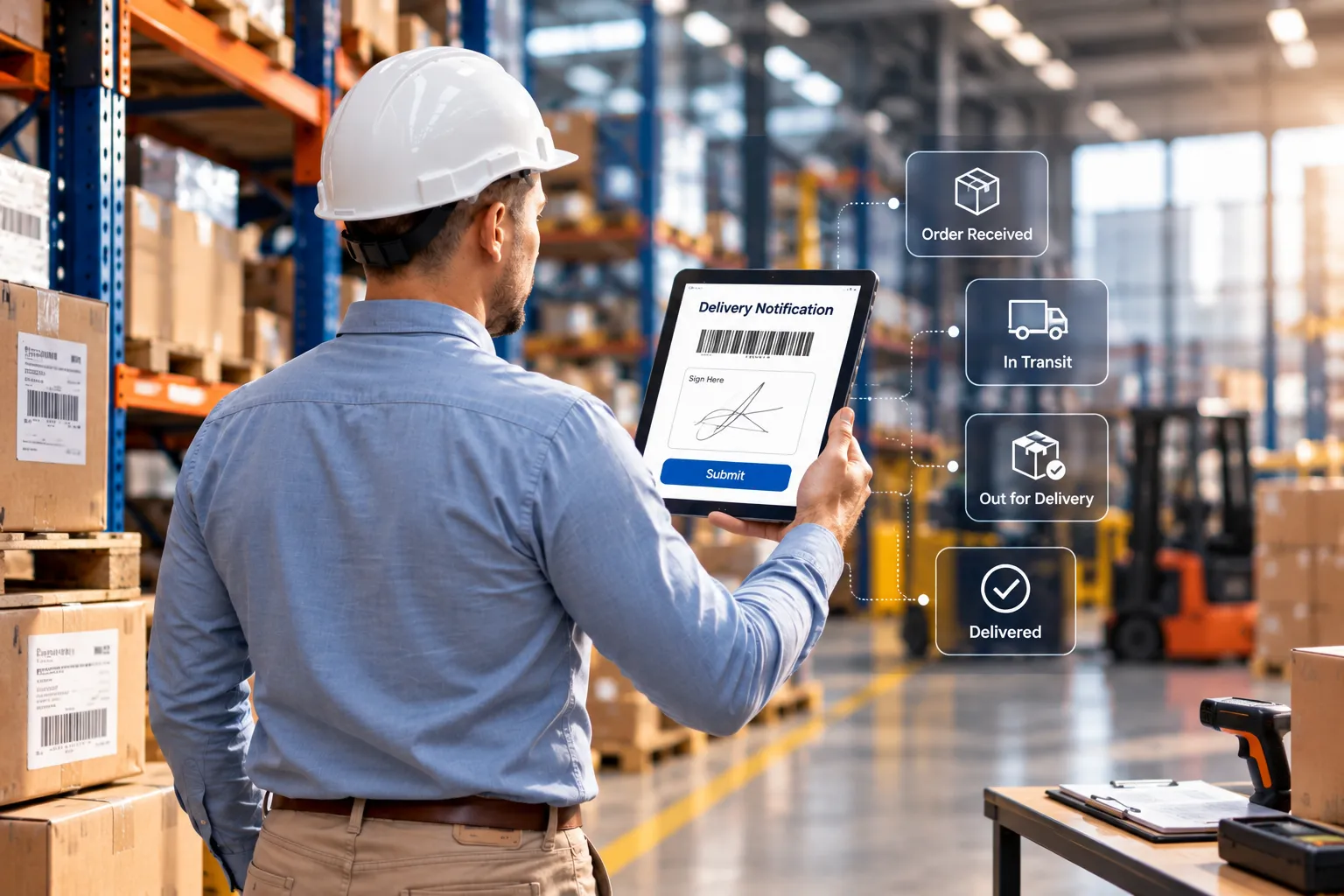
inventory management is closely linked to the overall performance of a supply chain. Too much inventory increases carrying costs and takes up warehouse space, while too little inventory can cause production stoppages and delayed deliveries. Supply chain management software helps businesses maintain a better balance by providing visibility into stock levels, movements, requirements and consumption.
An ERP system can track materials from purchasing and receiving through storage, production and final dispatch. This makes it easier to identify slow-moving items, shortages, excess stock and frequently used materials. Businesses can also use reorder levels and other planning parameters to support timely purchasing decisions.
Better inventory control can help companies:
Improving Procurement and Supplier Management
Procurement has a direct impact on production schedules, costs and customer commitments. When purchasing information is scattered across different files and systems, it becomes difficult to understand what has been ordered, what has been received and what is still pending. Supply chain management ERP software connects procurement with inventory, production and other relevant business processes.
When material requirements are linked with production plans or sales orders, purchasing teams can make decisions based on actual business needs rather than assumptions. The ERP system can also help maintain supplier records, purchase orders, quotations, receipts and related transactions in one place.
This creates a more organized procurement process. Teams can monitor supplier performance, follow pending purchases, compare requirements with available stock and take action before material shortages affect production. Over time, this can contribute to better supplier relationships and more predictable procurement operations.
Supporting Production with ERP Software for Manufacturing Industry
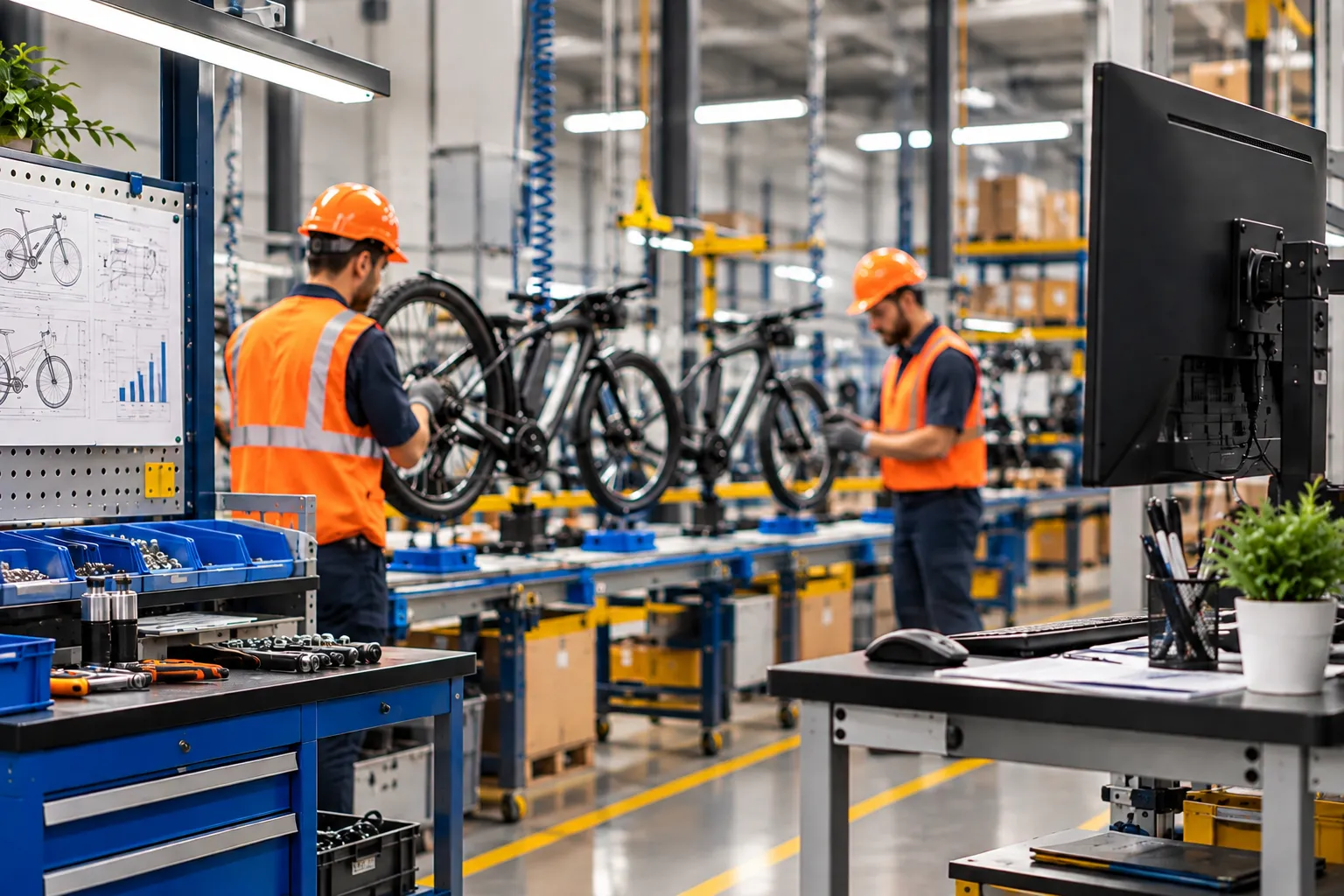
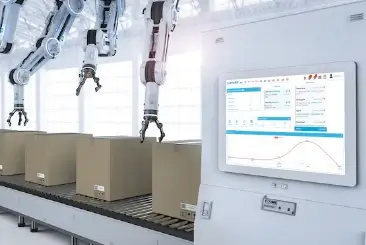
For manufacturers, supply chain efficiency depends heavily on how well procurement, inventory, production and sales work together. ERP software for manufacturing industry connects these processes so that production teams have better access to the information they need. Material requirements can be planned according to production schedules, sales orders, inventory levels and bills of materials.
Modern manufacturing ERP software can also support different production requirements, including make-to-stock and make-to-order operations. By connecting production planning with material availability, businesses can identify potential shortages before they interrupt manufacturing activities.
A connected system also helps production managers understand whether materials are available, what is currently being produced and which orders require attention. This reduces dependency on manual coordination and gives different teams a common view of production-related information.
Real-Time Visibility and Faster Supply Chain Decisions
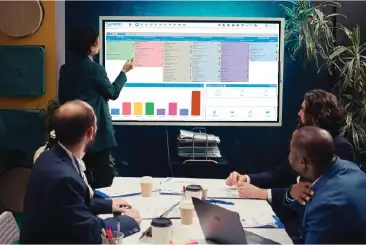
One of the key benefits of ERP system in supply chain management is improved visibility. Managers do not always have time to collect information from multiple departments before making an important decision. ERP provides access to business data from a common platform, allowing teams to review relevant information more quickly.
For example, a manager dealing with a delayed customer order may need to know the current inventory position, production status, pending purchases and dispatch details. With an integrated ERP system, these details can be accessed more easily instead of being collected manually from different teams.
Real-time visibility can support decisions related to:
The Importance of Supply Chain Management for Business Growth

The importance of supply chain management goes beyond simply moving products from one location to another. It affects operating costs, customer satisfaction, production continuity, working capital and overall business performance. A well-managed supply chain allows businesses to respond more effectively when demand changes or unexpected problems occur.
ERP supports this objective by connecting the different stages of the supply chain. Instead of treating purchasing, inventory, production, sales and logistics as independent functions, businesses can manage them as connected activities. This helps reduce information gaps and creates a smoother flow of materials and information.
For growing companies, this integrated approach becomes even more useful. As transaction volumes increase, managing everything manually becomes difficult. ERP gives businesses a structured platform that can support expansion while maintaining greater control over day-to-day operations.
Cloud-Based ERP Software in India for Connected Operations
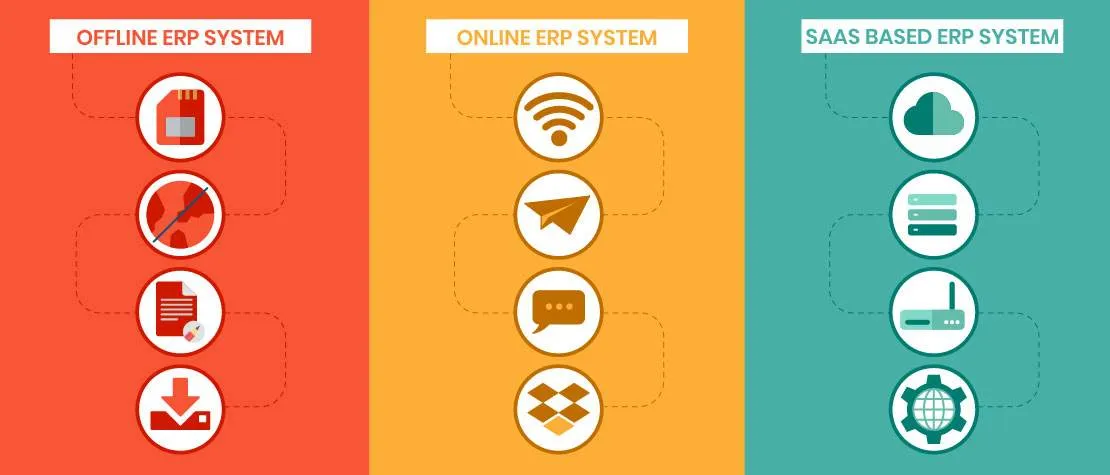
For businesses looking for flexibility, cloud-based ERP software in India provides an alternative to traditional systems that depend heavily on local infrastructure. Cloud ERP allows authorized users to access business information through connected devices, making it easier for teams working from offices, warehouses, plants, branches or other locations to stay connected.
Cloud-based systems can be particularly useful for companies with multiple locations or employees who need access to operational information outside the main office. Data can be managed centrally, while user access can be controlled according to business requirements. This supports collaboration without requiring every department to maintain its own system.
Choosing the right ERP software company in India is also important. Businesses should evaluate the system's industry capabilities, customization options, security, implementation support, integrations and after-sales service before making a decision. The right ERP should solve real operational problems rather than simply adding another software platform.
Connect Your Supply Chain with TheERPHub
TheERPHub offers an integrated ERP platform designed to help businesses manage connected operations across manufacturing, trading, distribution, logistics and other industries. With modules covering areas such as inventory, procurement, sales, manufacturing, MRP, production planning, accounting and more, we can help businesses build a more connected approach to supply chain management. Looking to improve your supply chain operations? contact us and explore how an integrated ERP system can support your business.