Blog Detail

How does ERP software support food safety and compliance regulations in India
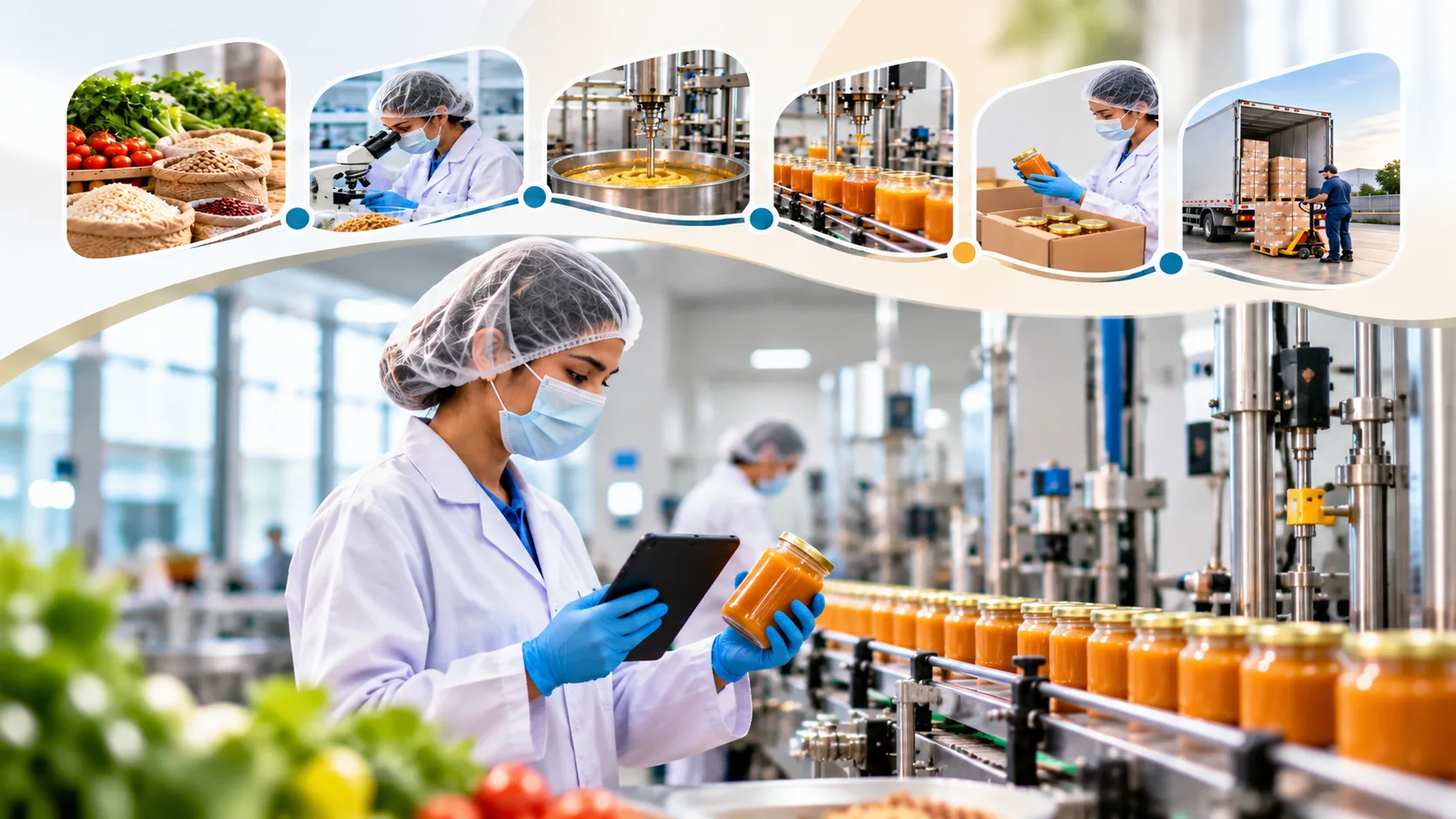
ERP for Food Safety & Compliance in India Use ERP to connect production, quality, inventory and traceability.
Food businesses in India need to keep track of several things throughout their operations, from raw material sourcing and production to quality checks, storage and dispatch. Details such as batch numbers, expiry dates, quality records and stock movement become difficult to manage manually as the business grows.
An ERP system brings purchasing, inventory, production, quality and sales data together in one place. For example, a raw material can be tracked from its purchase and quality inspection through production and final dispatch. This makes it easier to maintain accurate records and quickly find information during audits, customer complaints or product recalls.
For food manufacturers and distributors, the right food and beverage manufacturing ERP software can simplify everyday compliance activities such as batch tracking, quality checks, expiry monitoring and production records while improving overall traceability.
How an ERP System for Food Processing Helps Maintain Food Safety
Food safety starts with controlling what enters the production process. A food manufacturer may purchase ingredients, packaging materials, additives and other inputs from several suppliers. Keeping track of their quality, batch numbers, dates and specifications manually can quickly become difficult as the business grows. An ERP system for food processing helps centralize this information and gives teams a clear record of every material received.
The system can capture important details when materials are purchased and received, including supplier information, batch or lot numbers, manufacturing dates, expiry dates, quantities and quality inspection results. This allows businesses to identify which materials are approved for production and which need to be held for inspection or rejected. It also reduces dependence on spreadsheets and paper-based registers that can easily become outdated.
An ERP can also support food safety through controlled workflows. For example, a business can define quality checks that must be completed before a particular raw material is released for production. Important controls can include:
This approach helps create a more consistent process and reduces the possibility of unsuitable materials entering production.
Food & Beverage Manufacturing ERP for Batch and Lot Traceability
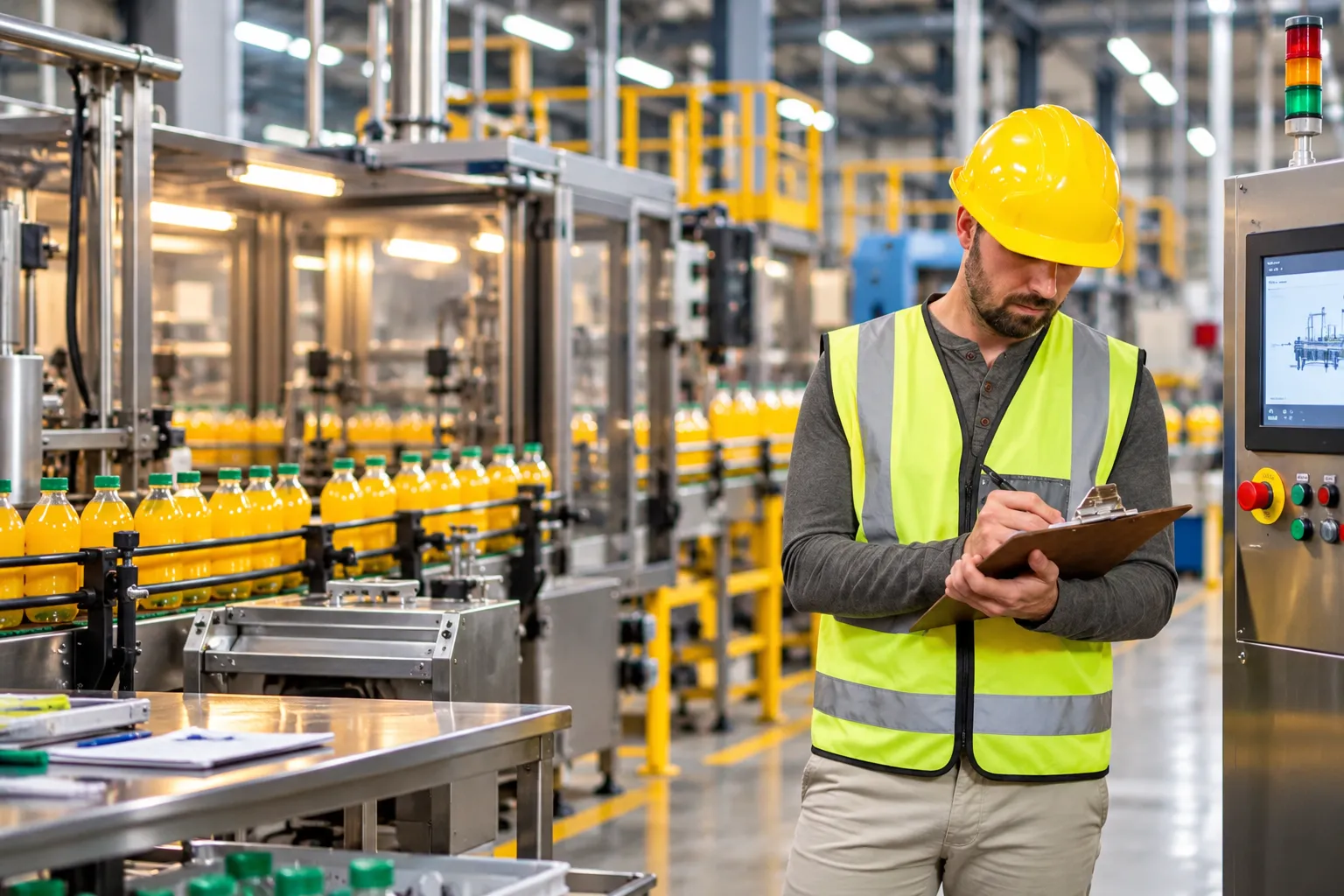
Traceability is one of the most important requirements in food manufacturing. If a quality issue is reported in a finished product, the manufacturer needs to determine where the affected batch came from, which raw materials were used and where the finished products were supplied. A well-designed food and beverage manufacturing ERP software solution can connect these records across the entire production cycle.
For example, when a batch of packaged food is produced, the ERP can link the finished product with the raw material batches used during production. It can also record the production date, quantity, manufacturing process, quality results and relevant inventory movements. This creates a digital trail that can be searched when an issue occurs.
This becomes particularly valuable during product recalls. Instead of manually checking multiple registers, purchase documents, stock records and dispatch details, the business can use ERP records to identify affected batches and their movement through the supply chain. The same information can help quality and management teams investigate the root cause of a problem.
A food & beverage manufacturing ERP can also improve internal accountability because employees work with a common source of information. When production, quality, warehouse and sales teams use connected data, it becomes easier to understand what happened at each stage and identify where corrective action may be required.
Quality Control and Compliance with Manufacturing ERP Software

Food safety does not end when manufacturing is complete. Storage and distribution can also affect product quality. Food distributors need to manage shelf life, expiry dates, batches, warehouse locations and dispatch priorities carefully. This is where ERP software for food distributors can help maintain better control over inventory movement.
An ERP can provide visibility into stock by batch, location, quantity and expiry date. Businesses can use this information to plan dispatches according to their inventory policies and avoid unnecessary accumulation of ageing stock. When inventory information is updated in real time, warehouse and sales teams have a clearer understanding of what is available and which products require attention.
For businesses handling large volumes of food products, food distribution ERP software can also connect purchasing, warehouse management, sales orders, invoicing and dispatch operations. This reduces the need to maintain separate records for different processes and helps create a continuous flow of information.
Better inventory control can support several practical objectives:
These capabilities are particularly useful when customers, distributors or internal teams need information about a specific product batch.
ERP Customization for Food Safety and Regulatory Requirements
Every food business does not operate in the same way. A dairy manufacturer, packaged food producer, beverage company and food distributor may have different processes, quality parameters, approval workflows and documentation requirements. This is why ERP Customization can be important when implementing an ERP for food businesses.
A customizable ERP can be configured around the company's actual workflows instead of forcing employees to change every process to match a rigid software structure. Businesses can create specific fields, approval stages, quality checks, reports, alerts and workflows based on their operational requirements.
For example, a food manufacturer may require a particular approval before a raw material can be used in production. Another business may need additional batch-level documentation before finished goods can be dispatched. With suitable ERP Customization, these requirements can be incorporated into the ERP workflow.
Customization can also support changing business requirements. As a company introduces new products, suppliers, production processes, warehouses or distribution channels, the ERP can be adapted accordingly. This makes the system more useful over the long term and helps compliance-related processes remain connected to daily operations.
Cloud-Based ERP Software in India Improves Compliance Visibility
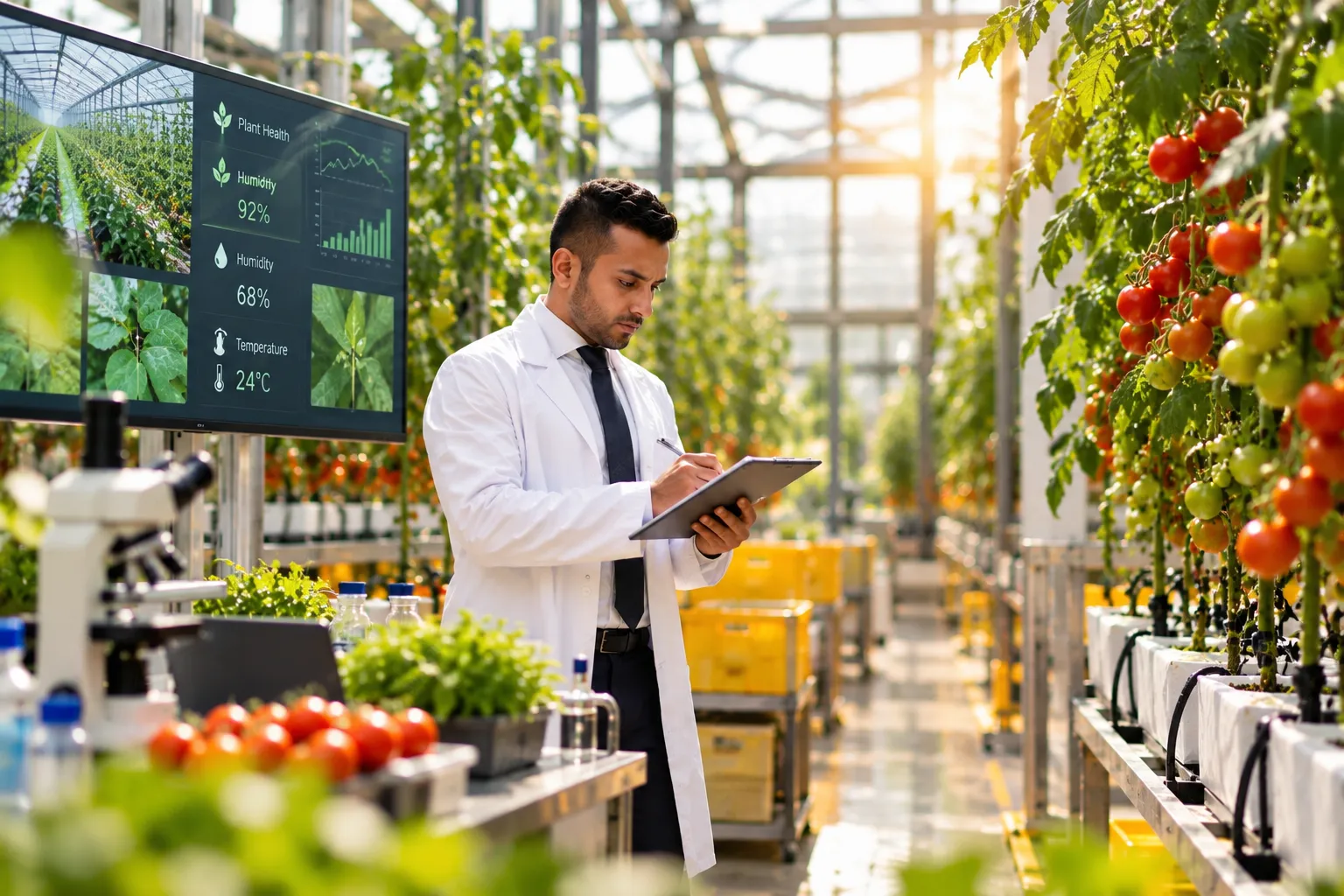
Food businesses often operate across multiple plants, warehouses, branches, offices and distribution locations. Managing information across these locations can become challenging when every facility maintains separate records. Cloud-based ERP software in India can provide a centralized platform where authorized users can access current business information from different locations.
For management teams, this means greater visibility into inventory, production, quality, procurement and distribution activities. A quality manager can review records without waiting for physical files, while management can monitor operational information through reports and dashboards.
Cloud ERP can also support controlled user access. Different employees can be given access according to their responsibilities, helping protect sensitive information and reducing unauthorized changes. Digital records can make it easier to retrieve information during audits and management reviews.
For businesses looking for an ERP software company in India, it is important to evaluate more than the number of modules offered. The solution should also be able to support the company's food safety workflows, traceability requirements, quality processes, reporting needs and future growth.
Strengthening Food Safety with TheERPHub
Food safety and regulatory compliance require consistent processes, accurate records, traceability, quality control and timely access to information. ERP software can bring these requirements into the everyday workflow of food manufacturers and distributors instead of leaving them dependent on disconnected systems.
TheERPHub provides an integrated ERP platform designed to connect business operations across manufacturing, inventory, procurement, quality, sales, finance and distribution. With support for food and beverage operations, batch tracking, inventory visibility, quality processes, reporting and ERP customization, businesses can build workflows that match their operational requirements. If you are looking to improve food safety processes and manage compliance-related operations through one connected platform, contact us today and explore how the ERP can fit your business requirements.