Blog Detail

Modern ERP and digital transformation in manufacturing
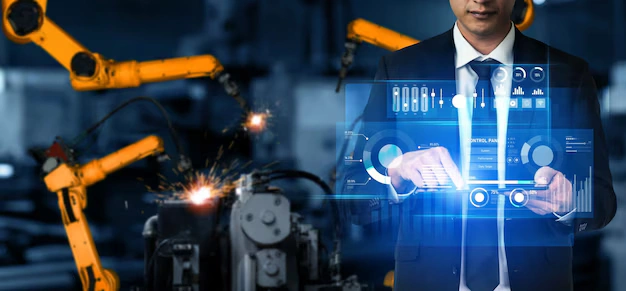
Powering digital transformation in manufacturing with modern ERP
Today's manufacturing is driven by data, automation and connected systems. Companies that once relied on spreadsheets and disconnected tools are now moving toward integrated platforms to stay competitive. This change is not just about software upgrades. It's about changing the way the entire business works.
Modern ERP is at the center of this change. When aligned with digital transformation in manufacturing, ERP becomes the core system that connects production, supply chain, finance and quality control. Companies that invest in the right technology achieve better visibility, faster decision-making and greater efficiency.
In this blog, we explore how manufacturing ERP software supports digital transformation, improves automation and enables sustainable growth in the manufacturing sector.
Understanding modern ERP in manufacturing
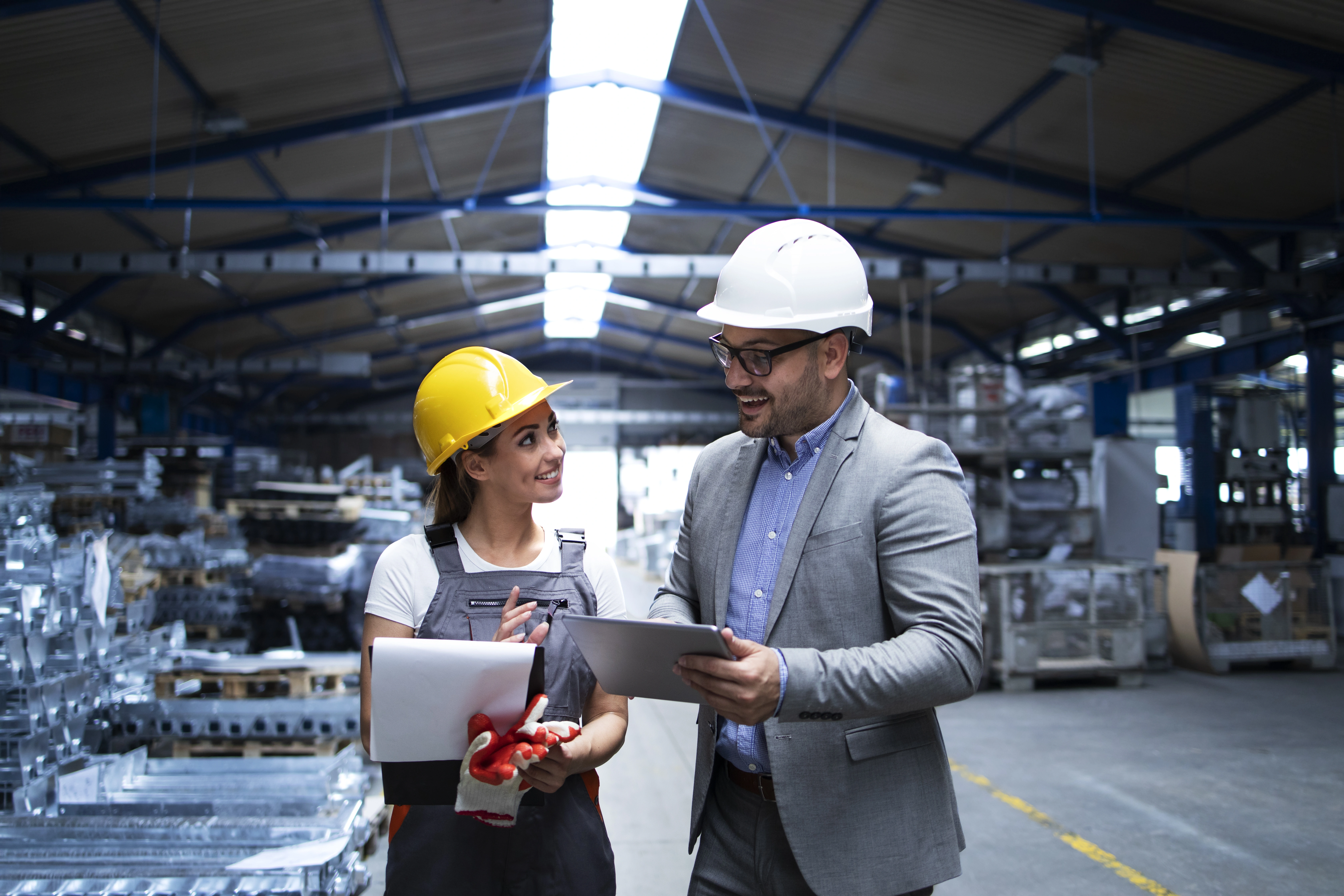
Modern ERP is much more advanced than traditional systems. Older ERP platforms were often rigid and difficult to upgrade. Today’s systems are flexible, cloud-enabled and designed for real-time collaboration between departments.
In manufacturing, integration is important. Production, purchasing, inventory and finance must work together without any delay. Manufacturing ERP systems centralize all this data, eliminating hurdles and reducing manual errors.
With modern ERP, manufacturers can:
This level of control allows leaders to act proactively rather than reactively.
Digital transformation in manufacturing: Why it matters
In manufacturing, digital transformation is more than just implementing new software. This involves redesigning processes and using data to improve performance. Due to increasing competition and customer demands, there is now a need for digital systems.
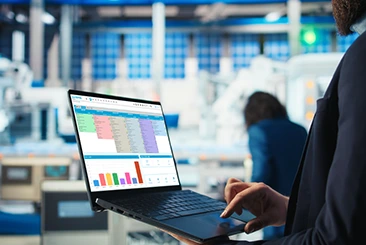
By implementing manufacturing ERP software, companies build a strong digital foundation. ERP connects operations so that production data, inventory updates and financial records stay in sync. This reduces latency and improves accuracy.
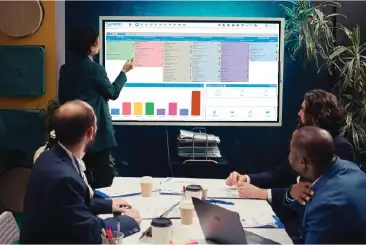
Digital transformation also provides visibility through dashboards and analytics. Businesses can:
Data-driven decision making becomes an important competitive advantage
Role of manufacturing ERP systems in operational efficiency
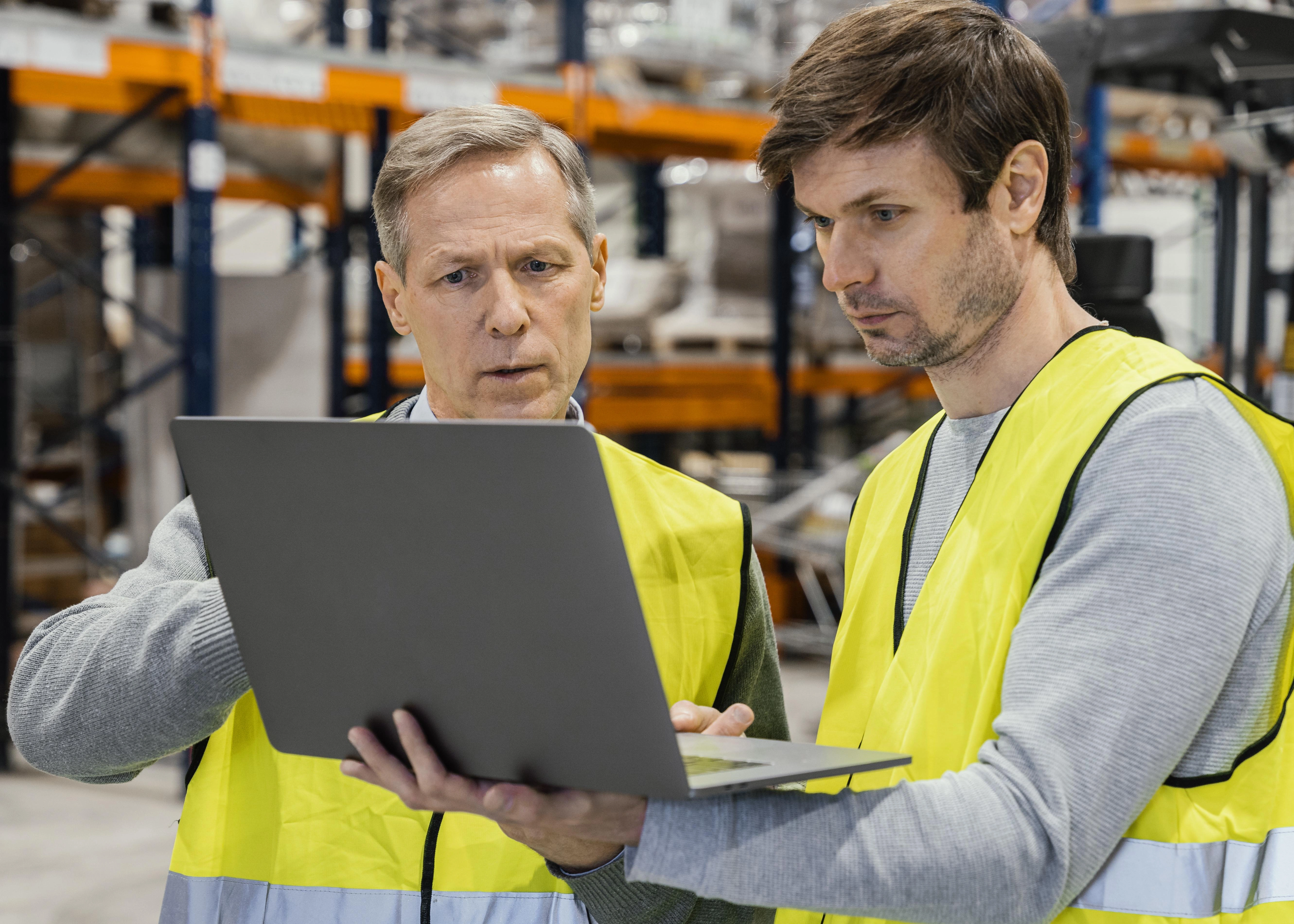
Efficiency directly affects profitability in manufacturing. Even minor delays or errors can increase costs. Manufacturing ERP systems improve workflow by automating planning, tracking and reporting.
Production planning becomes more accurate when sales orders, stock levels and capacity are analyzed together. Instead of manual calculations, the system generates customized schedules that minimize downtime.
Inventory control also improves significantly. Real-time tracking helps prevent overstocks or shortages. This results in:
Well-organized operations ultimately lead to higher productivity.
ERP automation in manufacturing: Promoting smart operations
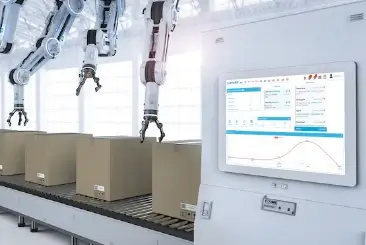
Automation is an important part of digital transformation in manufacturing and ERP automation in manufacturing makes it practical. Automated workflows reduce manual effort and improve consistency.
For example, purchase orders can be activated automatically when stock reaches a minimum level. Invoices can be generated directly from confirmed orders. Production data updates without manual entry, saving time and reducing errors.
ERP automation also strengthens compliance and quality management. Alerts about maintenance schedules or quality deviations help businesses stay proactive. Benefits include:
Automation frees up teams to focus on strategic development instead of repetitive tasks.
ERP customization: Adapting to unique manufacturing requirements
No two manufacturers work the same way. This is where ERP customization becomes essential. A flexible ERP system can be customized to match specific industry and process requirements.
For instance, some manufacturers require detailed bill of materials (BOM) management, while others require batch tracking. With proper customization, an ERP system supports existing workflows rather than forcing major process changes.
Modern ERP platforms allow configuration without heavy complexity. Customized dashboards and reports ensure relevant insights for decision-makers. Benefits of customization include:
A well-customized ERP system becomes a strategic asset for a business.
Manufacturing ERP software as a growth enabler
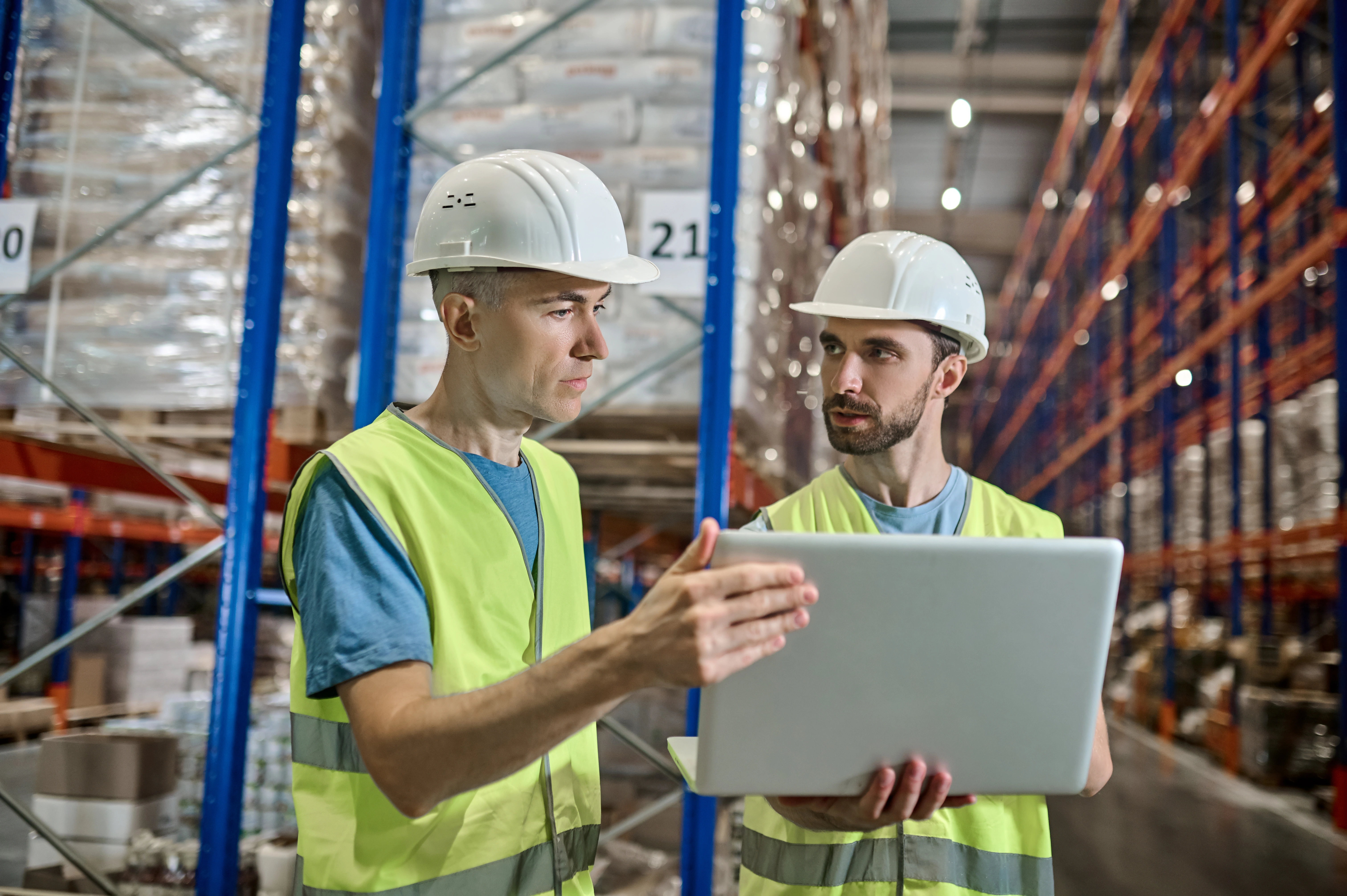
Growth brings complexity. More customers, suppliers and production volumes require better coordination. Manufacturing ERP software provides the framework needed to effectively manage expansion.
As businesses scale, ERP centralizes information and standardizes processes. With the support of modern ERP, manufacturers can manage multiple locations, warehouses and financial units with clarity.
ERP analytics also help identify profitable products and high-performing markets. This supports smart planning and long-term sustainability. When aligned with digital strategy, ERP becomes a powerful growth engine.
The future of ERP and digital manufacturing
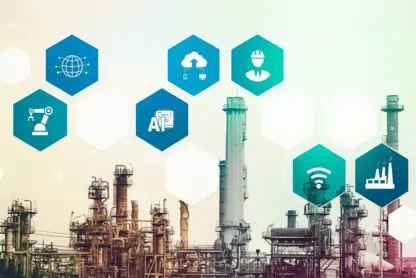
The future of digital transformation in manufacturing is closely linked to the advancements of ERP technology. Cloud systems, AI-based analytics and real-time data integration are shaping modern operations.
Cloud-based manufacturing ERP systems enable secure remote access and better collaboration. Advanced analytics can predict demand and optimize production planning. Integration with smart devices improves equipment monitoring.
As ERP automation evolves in manufacturing, businesses will gain greater speed and accuracy. Manufacturers who adopt these innovations early will remain competitive and resilient.
Partner with TheERPHub for your digital journey
Today's manufacturing requires intelligent systems and seamless integration. By adopting modern ERP, investing in manufacturing ERP software and embracing digital transformation in manufacturing, businesses can improve efficiency, transparency and growth.
At TheERPHub, we help manufacturers implement advanced manufacturing ERP systems and offer effective ERP customization to meet industry requirements. Our goal is to create scalable and future-ready operations for your business.
If you’re ready to strengthen your manufacturing processes and move toward smarter operations, contact us today Let us help you take the next step in your digital transformation journey.